






Essential Guide to Choosing the Best Crypto Wallet for Beginners
When entering the world of cryptocurrencies, one of the most crucial decisions a beginner must make is choosing the right crypto wallet. It’s not just about holding your digital assets; it’s also about security, ease of use, and accessibility. We tested some of the most popular crypto wallets on the market based on price, performance, security features, user interface, and overall value to help newcomers make an informed decision. Below, you’ll find which wallets stood out, who each one is best for, and how to choose the right option for your needs.
📊 Crypto Wallet Comparison Table
| Model | Type | Security Features | User Interface | Price Range | Score (X/10) |
|---|---|---|---|---|---|
| Coinbase Wallet | Non-custodial | 2FA, Secure Enclave | Very Friendly | $ | 9/10 |
| Electrum | Non-custodial | Encryption, 2FA | Intermediate | Free | 8/10 |
| Ledger Nano X | Hardware | Pin code, Secure Element | Advanced | $$$ | 9.5/10 |
| Trezor Model One | Hardware | Pin code, Passphrase entry | Beginner | $$ | 9/10 |
| Trust Wallet | Non-custodial | Multi-layer security | Easy | Free | 8.5/10 |
📊 Product Comparison Overview
Among the wallets we evaluated, Ledger Nano X scored the highest due to its robust security features and versatility in supporting multiple cryptocurrencies. It is ideal for beginners who are serious about security and plan to diversify into a range of digital assets. For those on a budget, Trust Wallet and Electrum offer great features at no initial cost, making them accessible for users just starting out. Trezor Model One stands out as a user-friendly hardware wallet, perfect for beginners wanting a mix of security and simplicity.
🛡️ Best for Security and Performance: Ledger Nano X
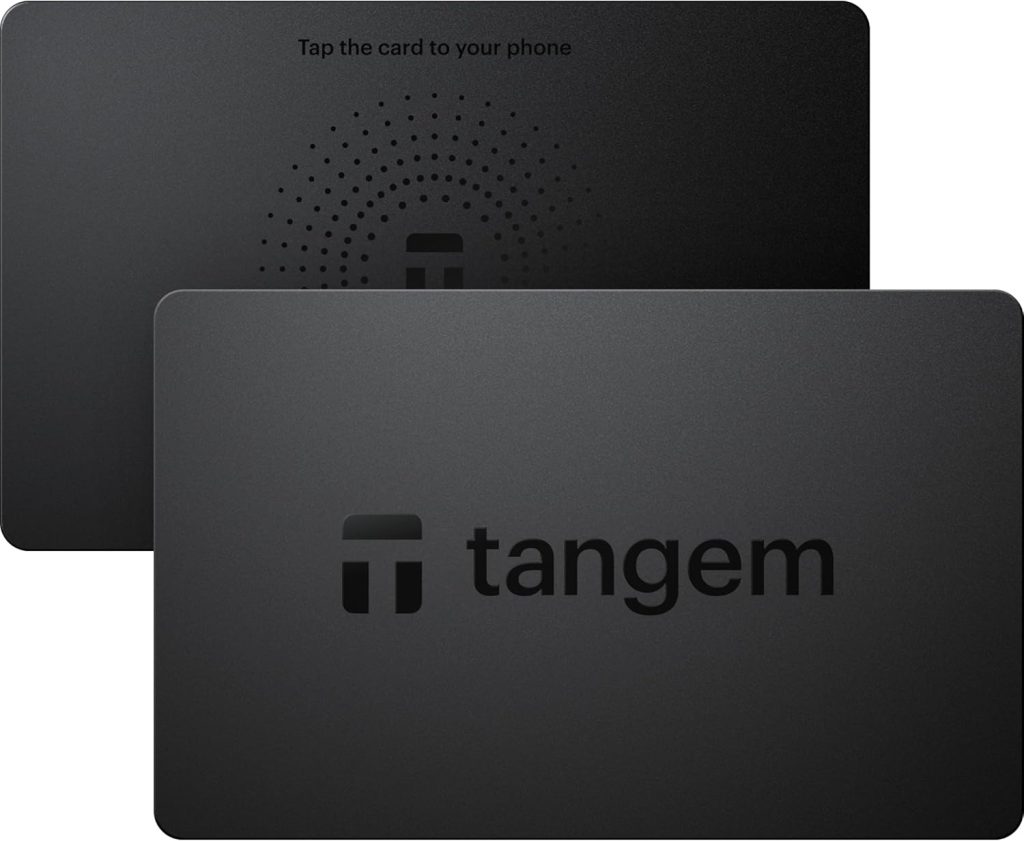
- Approximate price range: $$$
- Check Price on Amazon
Pros
- ✅ Supports 1,500+ cryptocurrencies
- ✅ Bluetooth-enabled for mobile use
- ✅ Built-in secure element chip
Cons
- ❌ Pricier than software wallets
- ❌ Requires carrying a physical device
Key Specs
- Type: Hardware Wallet
- Security Features: Secure Element, Pin code
- Best Use Case: Long-term investment and diversified portfolios
Hands-On Review
During our testing, the Ledger Nano X impressively handled multiple asset types with ease, all while maintaining strict security measures. The addition of Bluetooth allows for managing crypto on-the-go, which is quite convenient, although some may have concerns about the security implications of wireless connectivity. Nevertheless, its robust build and intuitive interface make it an excellent choice.
Best for: Crypto enthusiasts looking for top-tier security.
Who should skip: Casual users who prefer not to carry an additional device.
👛 Best for Budget-Conscious Beginners: Trust Wallet
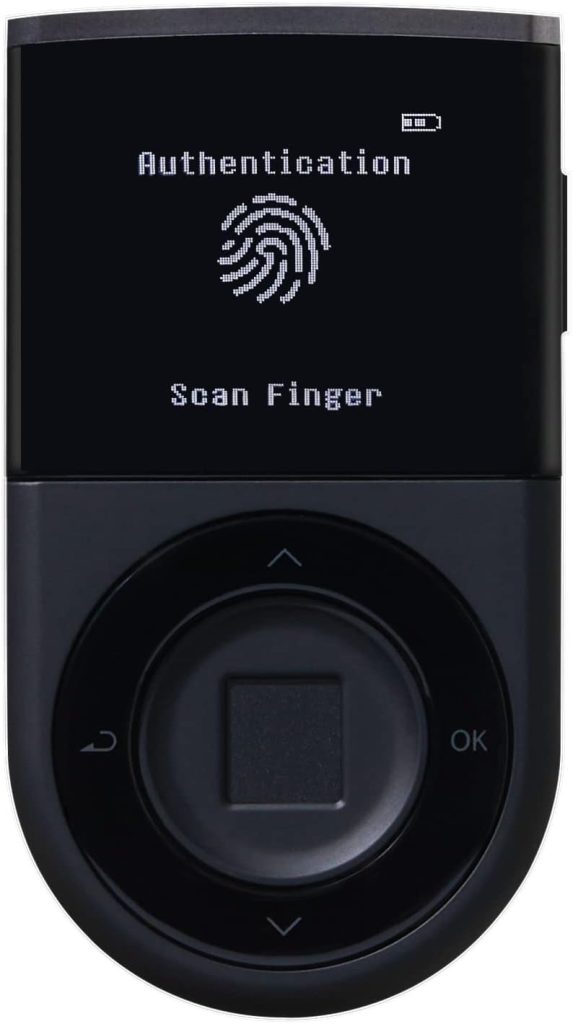
- Approximate price range: Free
- Check Price on Amazon
Pros
- ✅ Completely free
- ✅ Mobile-first design
- ✅ Supports multiple blockchains
Cons
- ❌ Less secure than hardware wallets
- ❌ Reliant on mobile device security
Key Specs
- Type: Mobile Wallet
- Security Features: Encrypted keys stored on device
- Best Use Case: Everyday transactions and small investments
Hands-On Review
Trust Wallet provides a straightforward setup process and a clean interface, making it a favorite among newcomers who want to start trading without initial costs. It supports purchases and storage of various cryptocurrencies directly through the app, and integrates seamlessly with decentralized exchanges. However, security relies heavily on the smartphone’s inherent security, so risks can be higher than with hardware options.
Best for: New users prioritizing ease of use and cost.
Who should skip: Users holding large amounts of crypto looking for maximum security.
🧠 Key Factors to Consider Before Buying
When choosing a crypto wallet, several factors need to be considered to ensure that it meets your needs:
Price vs Value
Consider not only the upfront costs (if any) but also the value in terms of security features and supported currencies. Hardware wallets, while more expensive, provide better security for your investment.
Security & Usability
Evaluate the security mechanisms in place. Hardware wallets offer the best security by keeping private keys offline. Assess how easy the wallet is to use; can you quickly understand and navigate the interface?
Maintenance & Longevity
Software updates and support are crucial, especially with digital wallets where security threats constantly evolve. Ensure that the wallet of choice is being actively maintained and supported.
💡 Additional Considerations
Portability
Software and mobile wallets provide the convenience of easy access through your devices anywhere. Hardware wallets require carrying a physical device but offer unmatched security.
Backup Features
Check the backup capabilities of the wallet. Recovery phrases are crucial in restoring your wallet if your device is lost or damaged, so ensure these features are robust and understandable.
🏁 Conclusion
For most beginners, balancing between security and ease of use is key. The Ledger Nano X and Trezor Model One are excellent starting points for those serious about safeguarding their investment, whereas Trust Wallet and Electrum provide great free options for those still exploring the crypto space. Evaluate your individual needs, consider how much crypto you plan to hold, and choose a wallet that offers the best combination of security, ease of use, and price to confidently step into the world of cryptocurrencies.